

Ph365 offers insights into maximizing your gameplay in Wild Rift with effective combo execution and strategic positioning. Mastering these elements can elevate your performance while maintaining responsible play habits.
Understanding Wild Rift Combos
Combos in Wild Rift are sequences of abilities and attacks designed to maximize damage output and control in fights. Each champion has unique combos, and understanding these is crucial for both offensive and defensive strategies. Effective combo execution involves timing, sequencing, and predicting enemy movements.
For example, using a crowd control ability first can prevent an enemy from escaping, followed by high-damage skills to finish the target. Beginners should practice combos in training mode before attempting them in ranked games. Advanced players often incorporate combos with summoner spells for higher impact.
Positioning Principles
Positioning refers to where your champion stands in relation to allies, enemies, and objectives. Proper positioning minimizes risk, maximizes damage potential, and ensures survival. Core principles include:
- Staying behind tanks in team fights.
- Using terrain and vision to avoid ambushes.
- Maintaining optimal distance for ranged champions.
- Rotating efficiently between lanes and objectives.
For junglers, positioning near objectives like dragons or Baron Nashor ensures better control and safer engagement. Support players must prioritize vision and protect high-value allies.
Timing and Cooldowns

Executing combos successfully depends on timing and cooldown management. Overcommitting when abilities are on cooldown can result in death and lost objectives. Players should track enemy cooldowns to predict when to engage or retreat. Example: engaging after a key enemy ultimate is down can turn the tide of a fight.
Risk Management in Wild Rift
Risk management in gameplay involves making calculated decisions to avoid unnecessary losses. Always consider your health, mana, and summoner spell availability before initiating combos. Overaggressive plays without backup increase the chance of losing objectives and falling behind. Practicing combo efficiency and positioning in low-risk scenarios helps build confidence for higher-tier matches.

Example Champion Combos
Here’s a quick comparison of combos for popular Wild Rift champions:
| Champion | Combo Sequence | Key Notes |
|---|---|---|
| Ahri | Q → E → R → W | Focus on landing charm (E) first to maximize burst. |
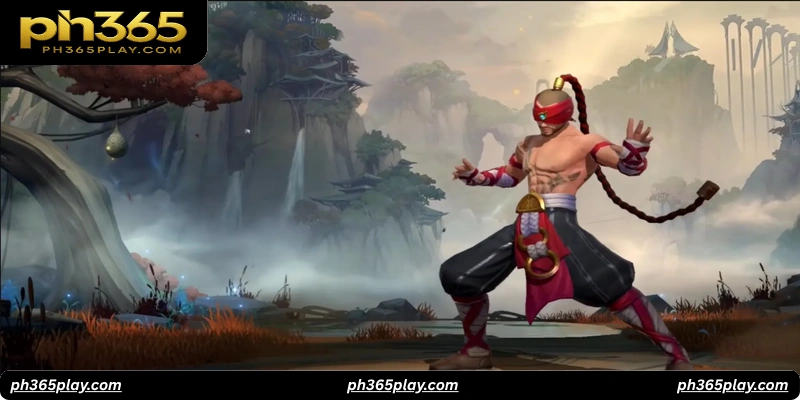
| Lee Sin | Q → Q → E → R | Use ward hop for positioning and safety. |
| Jinx | W → E → R | Ensure traps (E) are in place before ultimate for zoning. |
Positioning Tips per Role
Each role requires specific positioning awareness:
- Top Lane: Maintain vision near river brushes; avoid overextending.
- Jungle: Prioritize objectives and gank opportunities while avoiding unsafe encounters.
- Mid Lane: Balance between roaming and lane control.
- ADC: Stay behind frontline and adjust position based on enemy threats.
- Support: Provide vision, peel for carries, and manage cooldowns.
Training and Practice Strategies
Consistent practice improves reflexes, timing, and positioning awareness. Recommended methods:
- Use custom games to test combos without pressure.
- Record gameplay to identify positioning mistakes.
- Focus on mastering one champion at a time.
- Review patch notes to adjust combos and positioning to current meta.
FAQ
- Q1: How do I know which combo to use?
- Check your champion’s abilities and their synergy. Begin with crowd control and finish with damage skills.
- Q2: What’s the safest position for ADC in team fights?
- Behind the tank line, near supports, ensuring you can deal damage without being easily targeted.
- Q3: Can I practice combos alone?
- Yes, using practice tool allows you to refine timing and sequencing without pressure.
- Q4: How does positioning affect jungle control?
- Good positioning allows safe objective control and successful ganks, reducing risk of deaths.
- Q5: Should I adapt combos per enemy?
- Yes, some enemies require adjusted timing or ability sequence to counter their mobility or shields.
- Q6: How important is vision in positioning?
- Vision is critical. It informs you about enemy location, preventing ambushes and poor positioning.
- Q7: Are combos different in ranked vs casual play?
- The principles are the same, but ranked games require higher precision and awareness of risk management.
- Q8: Can I combine summoner spells with combos?
- Yes, summoner spells like Flash or Ignite enhance combo effectiveness when timed correctly.
- Q9: How often should I review my positioning?
- After every game, analyze fights where you died or missed damage to improve future positioning.
- Q10: What role should focus most on combo mastery?
- All roles benefit, but mid lane and junglers often rely heavily on effective combos for kills and objectives.
Conclusion
Mastering Wild Rift combo and positioning tips requires practice, patience, and awareness. By understanding champion combos, applying proper positioning, and managing risks, players can enjoy a safer and more effective gameplay experience. Remember to focus on responsible play and gradual improvement rather than rushing for results.





