

The global online wagering market continues to evolve rapidly in 2026, driven by technology, data analytics, and mobile-first platforms. Whether you’re a beginner exploring digital sportsbooks or an experienced bettor refining your strategy, understanding odds betting is essential to making informed decisions.
At the beginning of your journey, you may encounter trusted platforms such as ph365, which offer diverse markets, competitive pricing, and user-friendly interfaces. However, regardless of where you place your wagers, mastering how odds work is the real foundation of long-term success.
What Is Odds Betting?
At its core, odds betting refers to the system bookmakers use to represent probability and determine potential payouts. Odds reflect how likely an outcome is to happen while also indicating how much profit a bettor can earn.
There are three primary formats used worldwide:
-
Decimal odds
-
Fractional odds
-
American (Moneyline) odds
Understanding these formats ensures you can compare prices across different markets and maximize value.
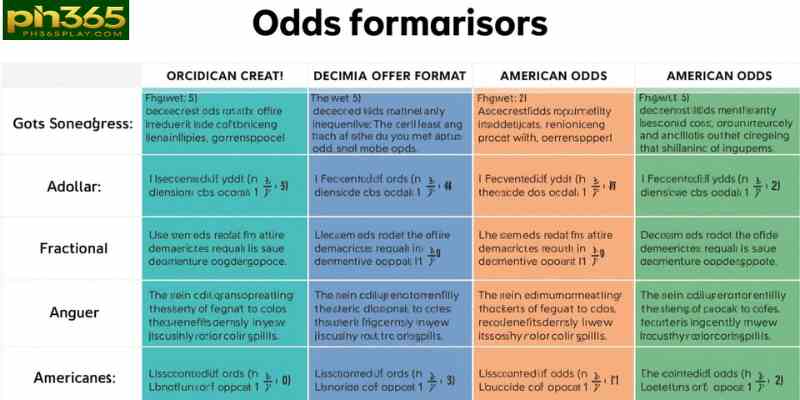
Understanding the Main Odds Formats
Decimal Odds (European Format)
Decimal odds are the most common format globally. They are straightforward and easy to calculate.
Formula:
Stake × Decimal Odds = Total Return
Example:
If odds are 2.50 and you stake $100:
100 × 2.50 = $250 return (including stake)
This format is popular because it shows total payout instantly.
Fractional Odds (UK Format)
Fractional odds are commonly used in the United Kingdom and Ireland.
Example: 5/1
For every $1 wagered, you win $5 profit (plus your original stake).
These odds are often seen in horse racing and traditional bookmakers.
American Odds (Moneyline)
American odds use positive and negative numbers.
-
Positive (+200): Win $200 on a $100 stake
-
Negative (-150): Stake $150 to win $100
Moneyline odds are common in North American sports like NFL, NBA, and MLB.
How Bookmakers Set Odds
Odds are not random numbers. They are calculated using:
-
Statistical modeling
-
Historical data
-
Team or player performance
-
Market demand
-
Injury reports
-
Betting volume
Bookmakers also include a margin (called the “vig” or “juice”) to ensure profit regardless of the outcome.
This margin explains why the implied probability of all outcomes often exceeds 100%.
Implied Probability Explained
Every set of odds represents an implied probability.
Decimal Formula:
Implied Probability = 1 ÷ Decimal Odds
For example:
Odds of 2.00 = 1 ÷ 2.00 = 50%
Understanding implied probability helps bettors determine whether a wager offers value.
Identifying Value Bets
Professional bettors focus on value rather than simply predicting winners.
A value bet occurs when:
Your estimated probability > Bookmaker’s implied probability
For example:
-
You believe a team has a 60% chance to win
-
Bookmaker odds imply 50% probability
That 10% difference creates long-term opportunity.
Platforms like phdream often provide competitive pricing across various markets, allowing bettors to compare and identify pricing inefficiencies. However, the real edge comes from analysis and discipline.
Types of Markets in Odds Betting
Moneyline Bets
Simply betting on which team or player will win.
Point Spread Betting
The bookmaker sets a margin of victory.
Example:
-
Team A -5.5
-
Team B +5.5
Over/Under (Totals)
Bet on whether total points or goals exceed or fall below a set nu Prop Bets
Proposition bets focus on specific events:
-
First goal scorer
-
Player points
-
Total corners
Each market carries different risk levels and strategic considerations.

Live Betting and Dynamic Odds
Live wagering has transformed modern betting. Odds change in real-time based on:
-
Score updates
-
Player injuries
-
Momentum shifts
-
Time remaining
This format requires quick thinking and emotional control.
Real-time markets can provide excellent opportunities but also increase volatility.
Bankroll Management Strategies
Even the best analysis cannot overcome poor money management.
Flat Betting Strategy
Bet a fixed percentage (1–3%) of your bankroll per wager.
Unit-Based System
Define 1 unit as 1% of your total bankroll. Adjust confidence level:
-
1 unit (standard bet)
-
2 units (higher confidence)
Avoid Chasing Losses
Emotional decisions lead to long-term losses. Discipline is critical.

Common Mistakes to Avoid
-
Betting based on emotion
-
Ignoring line movement
-
Overvaluing recent results
-
Failing to compare odds
-
Not tracking performance
Long-term profitability depends on consistent evaluation and adjustment.
Websites such as phdreamm.org provide educational resources and updated market information, helping bettors stay informed about trends and pricing structures.
Advanced Strategies for 2026
Line Shopping
Always compare odds across multiple sportsbooks to secure the best price.
Even small differences (2.00 vs 2.10) significantly impact long-term profit.
Arbitrage Betting
Placing bets on all outcomes across different bookmakers to guarantee profit when price discrepancies exist.
Hedging
Reduce risk by placing additional wagers to secure profit or minimize losses.
Data Analytics and AI Tools
Modern bettors use:
-
Statistical modeling software
-
Predictive algorithms
-
Performance tracking apps
Technology continues to shape competitive betting strategies.
Psychological Discipline in Betting
Successful bettors think like investors:
-
Long-term mindset
-
Analytical decision-making
-
Controlled risk exposure
-
Emotional regulation
Variance is unavoidable. Even strong value bets lose sometimes. Staying disciplined separates professionals from casual gamblers.
Responsible Betting Practices
Betting should always remain entertainment-first.
Key principles:
-
Set deposit limits
-
Avoid borrowing money
-
Take breaks
-
Never bet under emotional distress
Responsible wagering ensures sustainability and enjoyment.
Conclusion: Building a Sustainable Betting Approach
Understanding odds betting goes far beyond reading numbers on a screen. It requires probability analysis, strategic discipline, and long-term planning.
In 2026, technology, mobile accessibility, and global market growth continue to shape the industry. By mastering odds formats, calculating implied probability, identifying value opportunities, and managing bankroll effectively, bettors position themselves for smarter decision-making.
Remember:
-
Learn how odds translate into probability
-
Focus on value, not just winners
-
Track every wager
-
Maintain emotional discipline
When applied consistently, these principles create a structured and informed approach to sports wagering.
The world of odds betting rewards patience, research, and strategy. With the right knowledge and disciplined execution, bettors can navigate markets confidently and responsibly in today’s competitive landscape.





