

Ph365 offers an immersive experience in Domino Go, combining skill, strategy, and timing. This guide provides detailed insights on gameplay, strategies, and responsible play for beginners and advanced players.
Understanding
Domino Go is a fast-paced variation of the traditional domino game, emphasizing quick decision-making and strategic placement of tiles. Players aim to match tiles in numbers or patterns to gain points while predicting opponents’ moves. The game balances skill and luck, requiring both careful planning and adaptability.
Key terms in Domino Go include tiles, chains, doubles, and scoring patterns. Beginners should first familiarize themselves with these concepts to develop a solid foundation before attempting advanced strategies.
Essential Rules and Gameplay
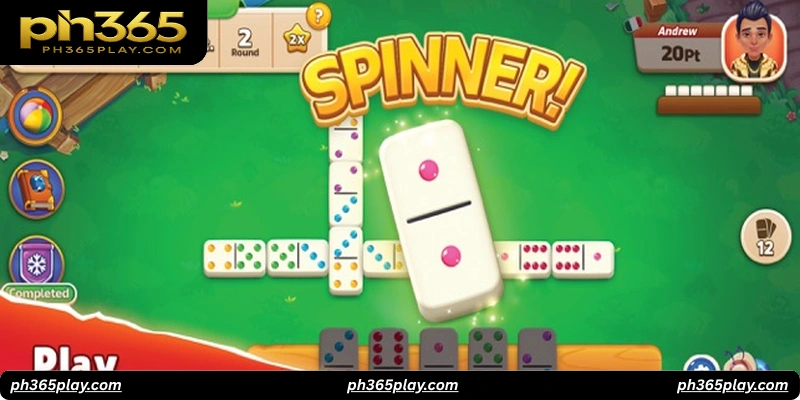
Each player receives a set of domino tiles, typically 7, and the goal is to empty your hand before opponents. Tiles can be placed by matching numbers on the ends of the domino chain. Doubles act as strategic pivot points, allowing for flexibility in play. The game ends when a player empties their hand or no moves remain, and points are tallied based on remaining tiles.
Core Domino Go Strategies
Developing a winning approach requires attention to both offense and defense. Key strategies include:
- Tile Management: Prioritize low-value tiles early and save high-value tiles for critical plays.
- Board Awareness: Track which numbers opponents are likely to hold and anticipate their moves.
- Double Utilization: Use doubles to create flexible branching chains, forcing opponents into difficult positions.
- Endgame Planning: Ensure you leave yourself options in the final moves to avoid being blocked.
- Adaptation: Adjust your strategy according to opponents’ behavior and game flow.
Risk Management in Domino Go
While Domino Go involves skill, luck plays a role. Effective risk management includes:
- Recognizing when to take a conservative approach versus aggressive scoring.
- Maintaining awareness of high-point tiles to avoid heavy losses.
- Practicing responsible play and setting time limits for each session.

Comparing Domino Go Features
| Feature | Beginner | Intermediate | Advanced |
|---|---|---|---|
| Tile Strategy | Focus on matching | Plan doubles and chains | Predict opponent’s moves |
| Scoring Approach | Minimize points lost | Balanced offense and defense | Maximize strategic scoring |
| Endgame Planning | Basic empty hand goal | Control remaining numbers | Force opponent blockages |
Advanced Domino Go Techniques
For seasoned players, mastering advanced techniques can provide a strategic edge:
- Counting Tiles: Keep track of visible tiles to anticipate opponent’s hand.
- Blocking Tactics: Place tiles to limit opponents’ options.
- Psychological Play: Vary your strategy to remain unpredictable.
- Chain Optimization: Build chains that maximize points and flexibility simultaneously.
Common Mistakes to Avoid
Even experienced players can fall into traps:
- Ignoring the distribution of tiles in opponents’ hands.
- Overusing high-value tiles too early.
- Failing to anticipate endgame blockages.
- Neglecting defensive plays in favor of aggressive scoring.
FAQ
- Q1: How many tiles are used in Domino Go? Typically 28 tiles for a standard double-six set.
- Q2: Can Domino Go be played online? Yes, platforms like Ph365 offer live and virtual gameplay.
- Q3: What is the best starting strategy? Focus on low tiles to minimize risk and build flexibility.
- Q4: Are doubles advantageous? Yes, doubles allow chain branching and strategic control.
- Q5: How do I manage risk in Domino Go? Track points, anticipate moves, and avoid risky high-value plays early.
- Q6: Can Domino Go be used for competitive tournaments? Absolutely; it is popular in both casual and competitive formats.
- Q7: What is the legal notice for online play? Always verify age restrictions and play responsibly under local regulations.
- Q8: How long does a typical game last? Most matches last 10-30 minutes depending on player experience.
Tips for Responsible Play
While Domino Go is entertaining, maintaining responsible play is crucial:
- Set time limits for each session to avoid fatigue.
- Avoid chasing losses; stick to a pre-defined strategy.
- Engage in practice sessions to improve skills without financial risk.
- Keep track of your wins and losses to maintain self-control.
Conclusion
Mastering Domino Go requires a balance of strategy, observation, and risk management. By understanding the rules, leveraging advanced techniques, and practicing responsible play, players can enjoy a challenging and rewarding gaming experience. Platforms like Ph365 provide a safe environment to refine skills, engage with others, and enjoy competitive play within legal and responsible boundaries.





